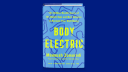
Exactly three months ago, Flatiron, an imprint of Macmillan, published my book, Body Electric. In the weeks since, I’ve learned so much about putting out a book in 2026, including how the publishing landscape compares to when my first book came out in 2017 and what fuels—rather than depletes—me, a human who doesn’t love promoting herself.
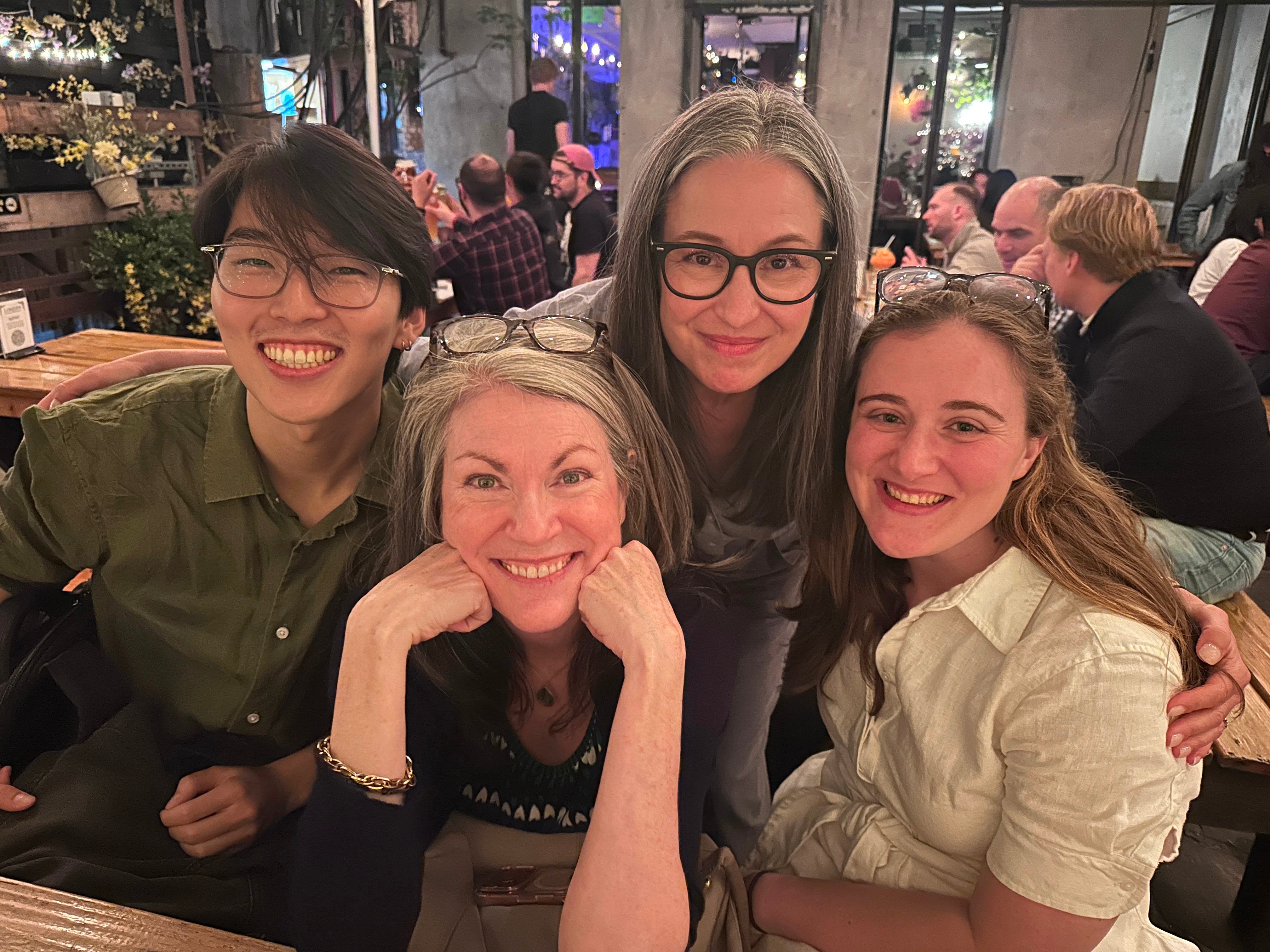
Here are the top eight things that I hope writers, readers, people in health/tech, and journalists will find useful:
1. Thank goodness my book came out in the spring, not the fall.
Adult nonfiction is in a bad way. It was already struggling (down 9% in the first three months of 2026 compared to that period in 2025) when Body Electric arrived on May 5.
The slide has continued, with the self-help/how category hit hardest.
As Publishers Weekly reported on July 9:
Self-help had the biggest drop, with sales falling 24.3% due to the inevitable cooling of sales of Mel Robbins’ juggernaut The Let Them Theory; while the book remained the biggest nonfiction seller in the first half of the year, selling over 566,000 copies, that was down from the 1.76 million copies in sold in the first half of 2025.
Let Them has been carrying the entire category for awhile now. That is not sustainable and the industry is bracing themselves for even worse sales in the fall. So, as my editor pointed out, it was a good thing Body Electric came out in May, rather than September, as we’d originally planned.
What’s going on? Did people suddenly figure out how to live their best life? There are a couple theories floating around...
2. AI may be eating How-To Nonfiction’s lunch.
That’s the idea put forward by Tim Ferriss who famously broke out in 2009 with his mega bestseller The 4-Hour Workweek and who recently shared that his powerhouse back catalogue is on track to sell roughly 60% fewer copies this year compared to last year. As he writes:
The sales [of these five books] have been surprisingly durable… and predictable. These books have long been an annuity that I could count on. But alas! There’s trouble in paradise.
Tim speculates that the how-to category is particularly vulnerable because LLMs like ChatGPT and Claude are vacuuming up and summarizing these books, as well as tailoring their advice to the user (formerly known as the reader.)
Who needs a book when you’ve got a chatbot?
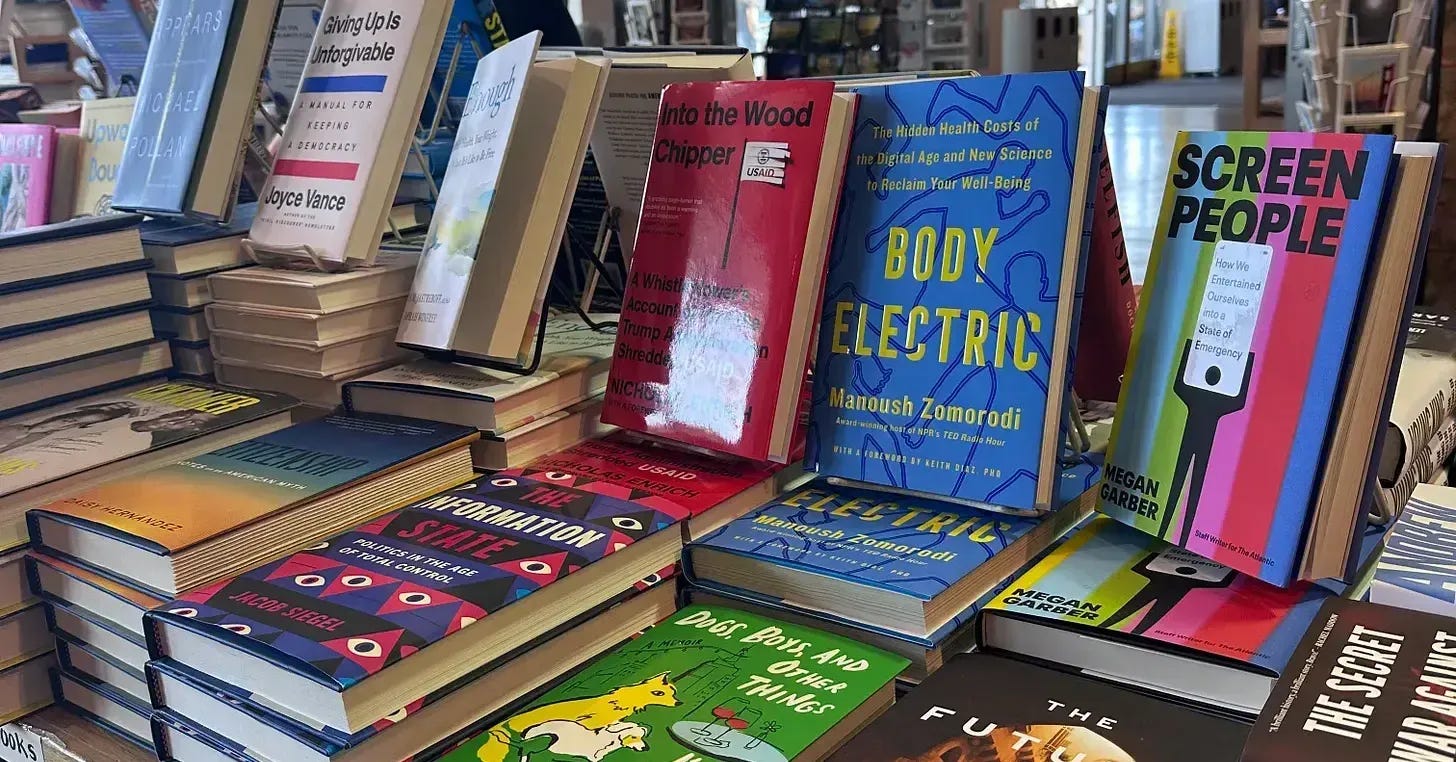
The other theory out there…
3. Podcasts aren’t the powerhouse converters they once were.
A decade ago, I had to explain to many people what a podcast even was.
Today, it’s estimated 73% of Americans 12 and up have listened to or watched a podcast
And, until recently, one of the holy grails of marketing a book was going on podcasts. But, as my endlessly supportive editors tell me, this strategy has stopped panning out for many authors.
The hypothesis: Why would someone buy the book when they just dedicated an hour of their life to hearing all about it?
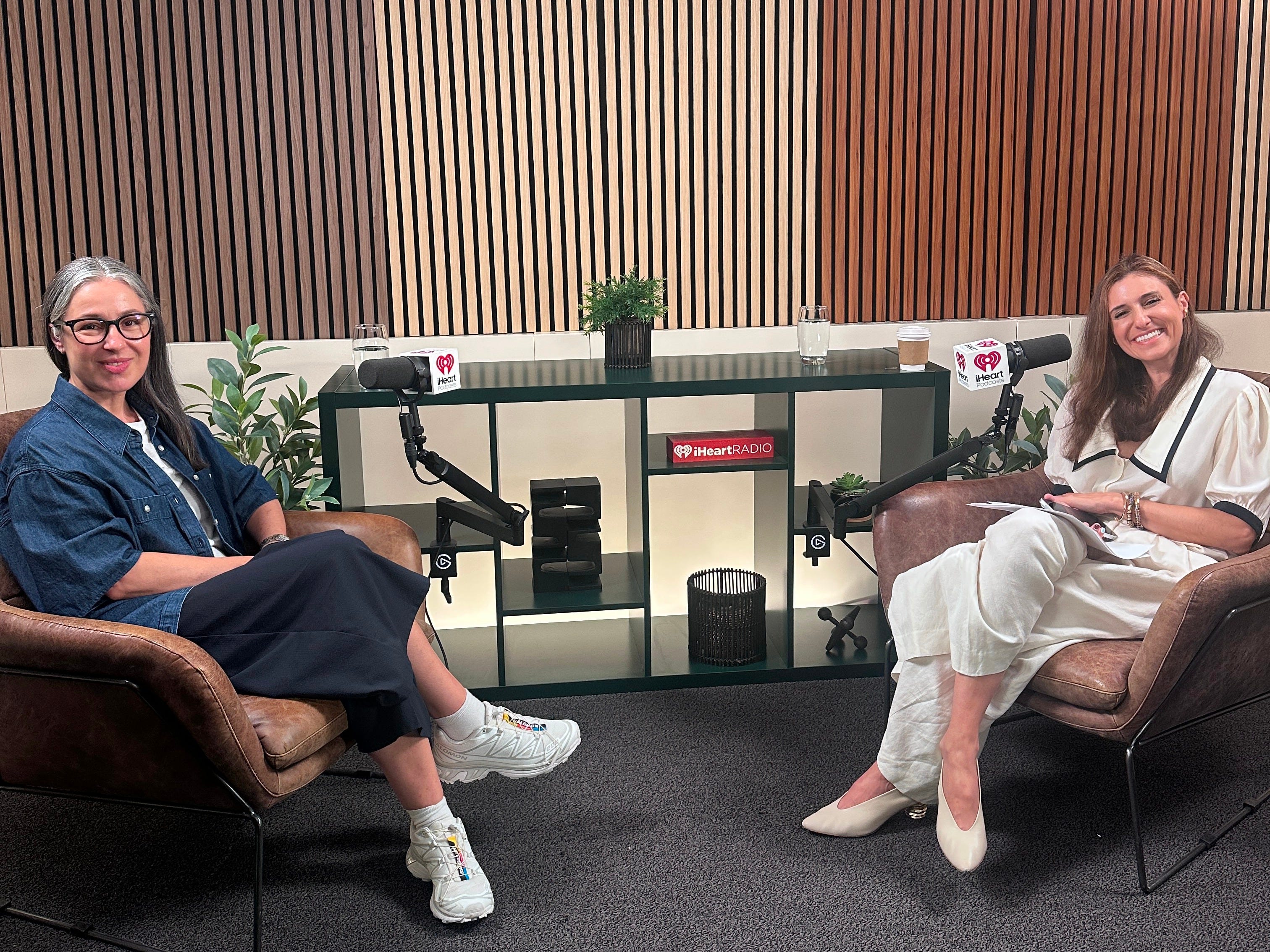
I did an estimated thirty (yes, 3-0) podcast appearances including Dan Harris’ 10% Happier, Laurie Santos’ The Happiness Lab, CNN’s Terms of Service, and so. many. more. I loved doing them, the hosts were amazing; they challenged me and we had a great time. I have no doubt we provided worthwhile information to the audience and made for an entertaining and thought-provoking listen.
But did these episodes sell books? Not so sure. Maybe they actually put too much Body Electric information out into the world?
At this point you’re probably wondering, “So how DID your book do, Manoush?” Thank you for asking. In the first week, Body Electric narrowly missed the bestseller list, which was very frustrating, but honestly, I’m just relieved that there was even a glimmer of hope that I’d make it in the first place.
Competition is fierce out there, despite declining sales! Publisher’s Lunch listed 67 non-fiction book releases for May (and those were just the “notable” ones).
I was very fortunate to get a bump from my appearance on NPR’s Morning Edition. But public radio’s biggest news program used to guarantee skyrocketing up the charts. Unfortunately that is no longer the case.
As of the end of June (the last time I got sales numbers), my book sales were hovering in the upper four figures and, apparently, that is respectable. I’m hopeful they crossed into five digits by the end of July. I’ll get those numbers soon. But meanwhile, I’m used to measuring my work by the hundreds of thousands (podcast users), so the numbers feel incredibly low to me…especially since the PR campaign felt so intense…
In addition to the dozens of podcasts and radio spots I did, I also did ten live events, a TED talk, and SO MUCH SOCIAL MEDIA. (Oh also, hi, I wrote this Substack for a year.)
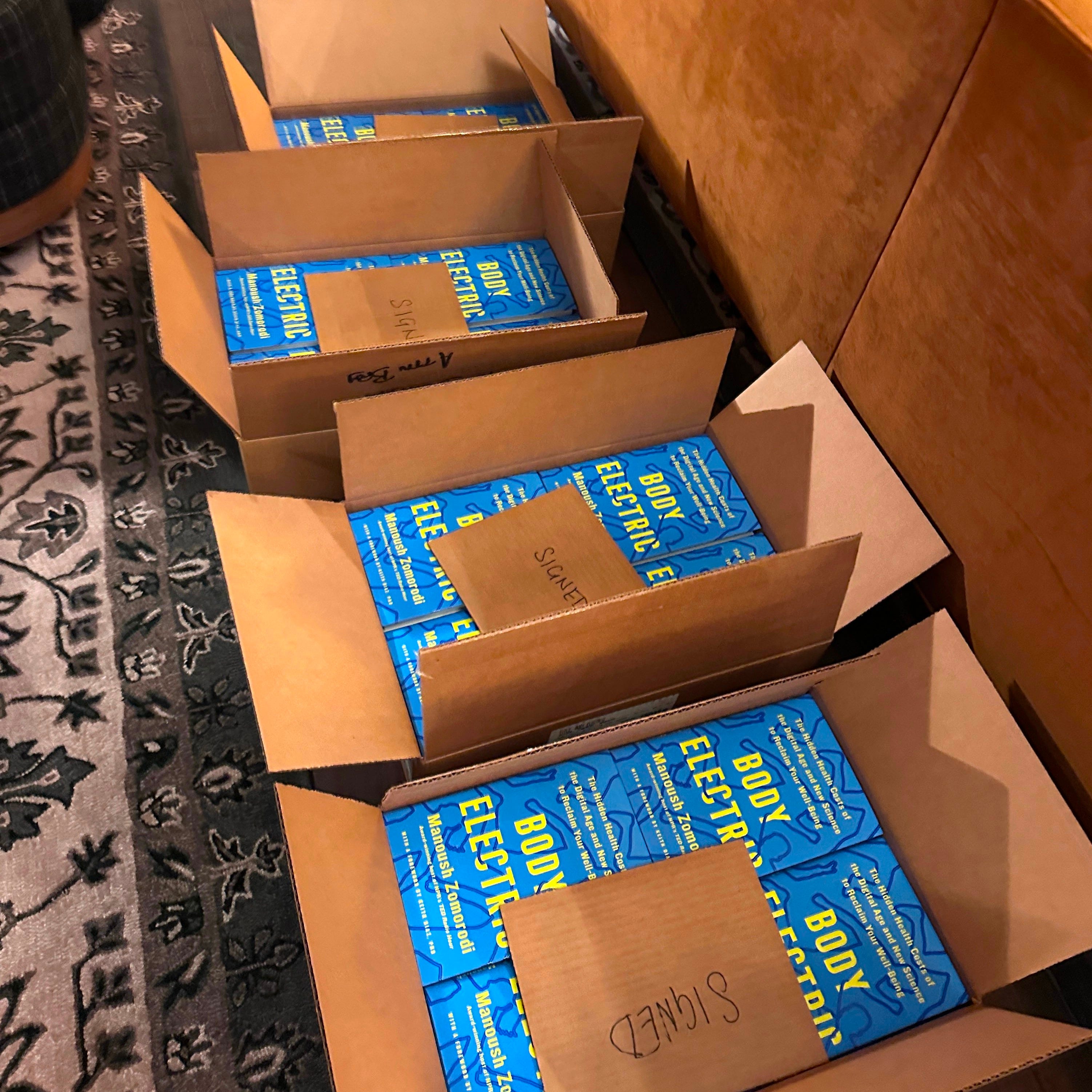
I am so lucky to know so many people and have a platform. I recognize how nearly insurmountable selling any books at all is for most people. But also, I think my luckiness presents an interesting snapshot of the media landscape so let’s keep going…
4. TV Spots and op-eds…nope and nope. But you need to feed the LLMs.
TV appearances were a bust for me this time around. I booked none. ZERO! When Bored and Brilliant came out in 2017, I went on MSNBC, PBS, NY1, and, yes, Dr. Oz. And btw, when I toured for that book nearly a decade ago, exactly none of my podcast interviews involved video. This time, roughly 90% also recorded me on camera, either to upload to YouTube or use as clips on social.
Since podcasts are the new television, maybe these episodes count as TV appearances? After all, GenZers now say they “watch” podcasts.
Also back in 2017, when I wrote op-eds I usually heard from people who’d ping me with “oh I saw your piece in the XYZ!” Not this time. Not a peep. I’m not sure many people read them at all.
Nonetheless I’m very glad I spent time codifying my thoughts on how our AI habits will affect our health for The Guardian and how citizen science projects could be key to restoring public trust in medicine for STAT. I really respect both institutions.
On a more cynical note, LLMs feed themselves by scraping legit news outlets. So by writing for those outlets, I can help ensure chatbots spit out my real thinking on the topic, in addition to all the sweat I put into the book explaining the history and biology of living with screens.
Anticipating the machines has to be part of the strategy now. If people are going to ask a chatbot what I think before they ever read a word I wrote, I want something on the record for it to find.
Enough depressing news. Let’s turn to the glimmers of love.
5. Audiobooks are a bright spot.
Audiobook sales grew by 9% in 2025 but I was still surprised that the Body Electric audiobook has sold nearly as many copies as the hardcover, and more than three times as many as the e-book. Why did this happen?
It helped that Spotify selected Body Electric as one of their Best Nonfiction Books of the Year. I’ve also spent a large portion of my professional life speaking directly into people’s ears, so I suppose listeners may already know my voice and be willing to spend another eight hours with it.
But my favorite explanation is the most obvious one: People could listen while walking. The format let readers do the very thing the book was asking them to do—get off their screens and move. #winning
(I would also add that the TED Radio Hour episode on the Body Electric research and adjacent themes was the show’s most-listened-to episode in the past year. Check it out! How to Feel Alive in An Exhausting World.)
6. Why DO people buy a book? Because they want to escape. Or they like you.
Tradwives, aliens, and dark secrets are trending on the Amazon fiction charts. Regime Change (which is stranger than fiction), murder, and marriage gone wrong are carrying the non-fiction list right now.
So let’s talk about the people who actually did buy the book. What motivated them? Usually because they like my work. They want to support ME. I’m squirming right now. This reason is so nice it makes me uncomfortable lol.
At book signings, people talk about how much they miss my first podcast, Note to Self. They often say they’ve been following me ever since. Or they tell me I’m fun, relatable, and give good advice on Instagram. Or they saw my TED talk (usually the first one, not the more recent one.)
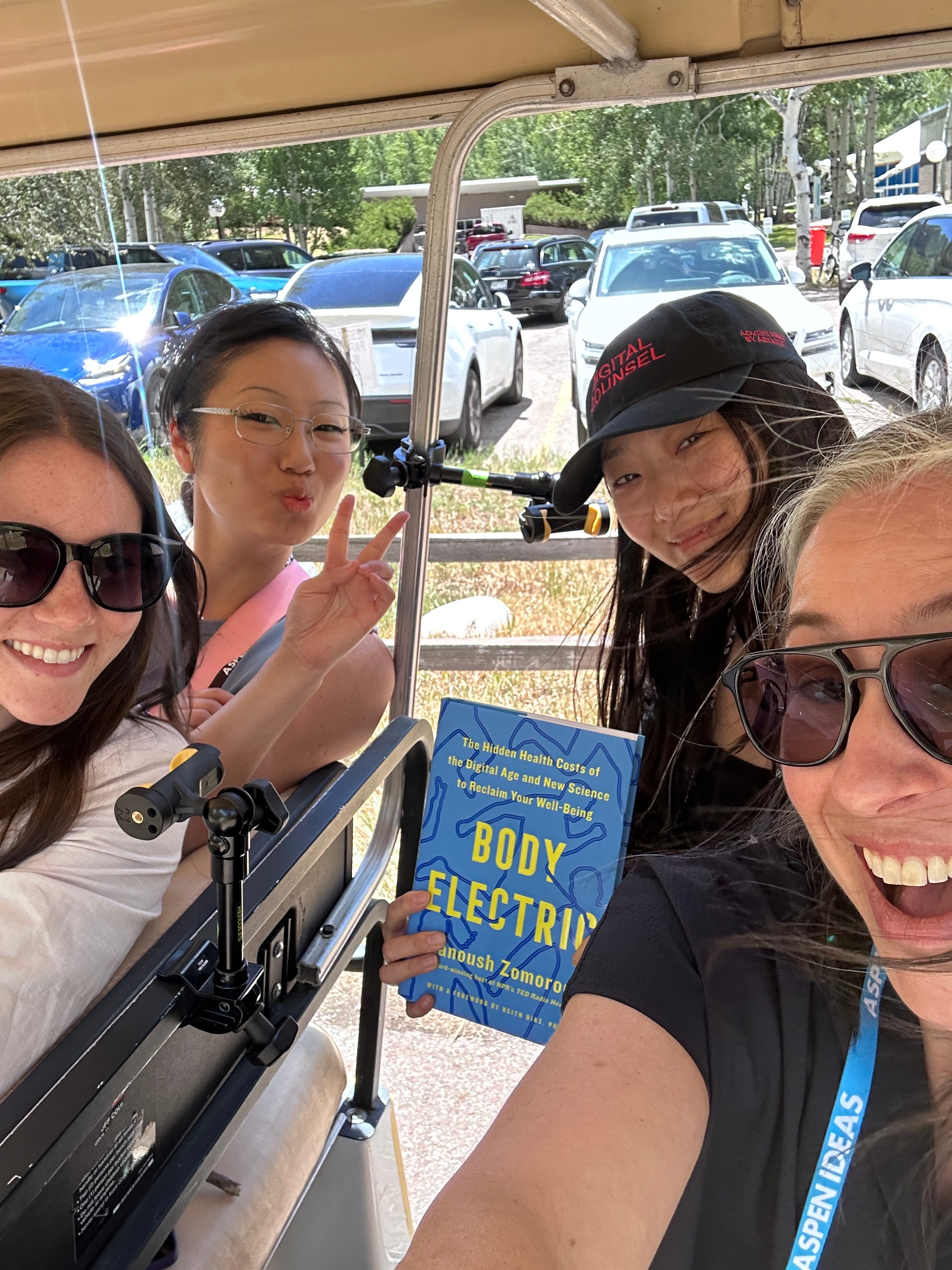
In other words, my body of work and consistently being on the media-scene/tech-beat YEARS before it became so fractured and crowded, laid the groundwork for any current success I have. And it leads me to the most important question and finding of all: Why did I bother writing a book? Why not just keeping making podcasts and writing here?
7. The intrinsic value of writing a book (or making anything at all) may not be sales.
This sounds sappy but hear me out: If you’re thinking about writing a book, jot down your reasons why (or for whom) you want to spend years slogging over something not that many people will likely read.
For my friend, memoirist James Robinson, it’s the parents who, like him, have lost a child and the physicians who have cared for sick kids. They regularly reach out to tell him how much his book meant to them. He loves getting these deeply personal emails. But none of us are free of the capitalist monster who lurks in the shadows. As he writes with vulnerability on his Substack:
The seduction of the crowd is not always easy to resist. But those one-on-one connections keep me grounded, reminding me what truly matters.
As for me, I’ve thought hard about this and my “why” is three-fold:
I love packaging up information in a new and fresh way. The challenge exhilarates me.
I like being relevant. Even if it’s not a mega-hit, a book still presents opportunities to join smart panels, make kooky videos, consider where your research may go from here, and discuss the topic you know and care so much about.
And finally, yes, helping people. When someone tells you you changed their life, there IS NOTHING BETTER. Really. Nothing. Check out this recent note from someone who works in tech:
Over the past two and a half years of working remotely, I found myself glued to my desk. My daily steps dropped from more than 7,500 to around 3,000, and despite exercising regularly, I rarely took movement breaks during the workday. Over time, I became increasingly lethargic, my upper back was constantly sore, and I spent a small fortune on chiropractic and acupuncture treatments with little lasting relief. Three months later, simply by incorporating regular walking breaks and consistently reaching 8K to 11K steps a day, I feel like a different person. I’ve lost six pounds without trying, my back pain is gone, and I have more energy than I’ve had in years. Thank you - thank you - thank you.
Do I hope that Body Electric breaks out and goes mega in the fall? You bet! In the long run, I want to make my publisher proud and, based on inbound inquiries, I think corporate sales might be the ticket. Body Electric is getting on the radar of companies that are terrified of workforce AI-induced burnout.
I also truly believe that the answer to all this nutty acceleration of the world is going back to biological basics: Putting yourself in what I call Goldilocks Mode—being discerning about when to use tech and when to put it away.
Maintaining our cognitive capacity and health depends on teaching ourselves and our kids how to calibrate our energy, mental and physical. I’m going to continue working on this, in whatever type of media people find most useful.
Anyhoo, it’s only been three months since my pub date and obviously, this is just my experience. Tell me about what you’re observing, as a reader OR a writer. I’d love to learn from you. Suggestions and questions welcome! Please put them in the comments or, if you don’t read this on the Substack platform (as I’m learning, many people don’t), please respond to this email.
I’m incredibly grateful to you, my newsletter reader, for all your support and encouragement on this journey. You can keep it going by forwarding this newsletter to a friend and getting them to subscribe! I’ve also learned need to have calls-to-action like this.
x Manoush
P.S. In a couple weeks, I’ll be back with essays on what happens to your brain when you go on vacation and why I’ve never turned on Substack payments (even though people tell me they want to give me money.)
Your book seems like the PERFECT audiobook + walk combination. While I read the paper version and took copious notes, I can see how the content and this format are a win-win! Thank you for sharing your valuable publication experience to date.
Thanks for sharing all this in such a candid post. We share the same editor at Flatiron!